Research diversity, equity, and inclusion in academia and industry
Title: Environment Sustainability in Database Systems
Speaker: Bettina Kemme (McGill University)
Abstract
Energy use and environmental impact have long been secondary considerations in database systems research. While database performance improvements often bring incidental energy benefits, the increasing integration of machine learning into DBMS components and the sheer quantity of data in current data analytics change this relationship. ML models and inference pipelines can introduce significant energy costs and the computational costs of large-scale analytics are huge, prompting a need to reassess how we evaluate and design modern data management systems.
This talk introduces the core concept of energy consumption and carbon footprint of computing, then examines how advanced database technology, including ML-based components, may alter the energy and carbon characteristics of database software. I will highlight emerging challenges and outline several research directions, including the development of meaningful energy‑impact metrics for database operations and possible mechanisms for reducing the energy footprint of DBMSs. This discussion aims to motivate a renewed focus on sustainability as a first‑class objective in the design and evaluation of future data management systems.
Bio
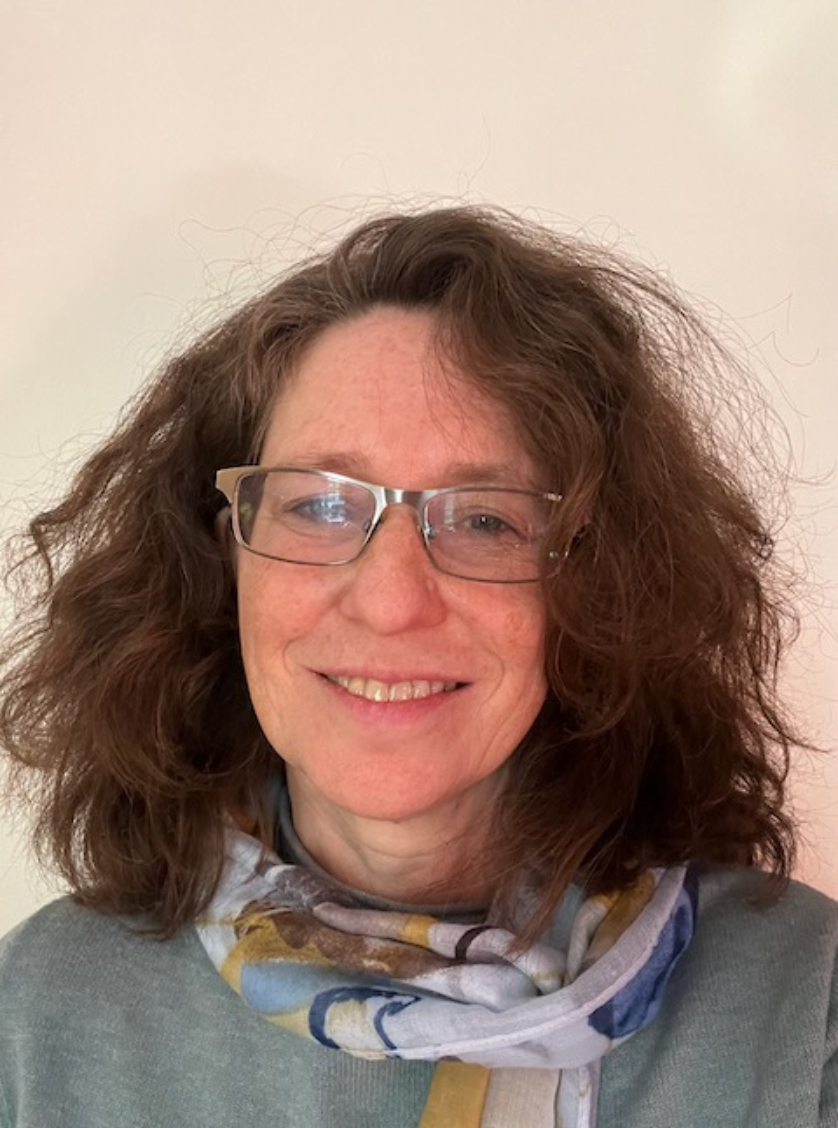
Bettina Kemme is a Professor of the School of Computer Science at McGill University, where she leads the Distributed Information Systems lab. Her general research interests lie in large-scale data management and analytics. Her recent projects involved graph-based database management, sustainable data systems for data science, and data analytics scheduling. Bettina holds a PhD degree in Computer Science from ETH Zurich. She has published well over 100 publications in major journals and conferences in the areas of database systems and distributed systems. She has served on the editorial board of the VLDB Journal and Information Systems and has been on the program committee or area chair of SIGMOD, VLDB, ICDE, EDBT, ICDCS, Middleware, SRDS and many more. She was the PC Co-Chair of Middleware 2017, DEBS 2023 and EDBT 2025, and is a senior IEEE member. She co-created the Workshop series on Data Systems meet Data Science (DSDS).
Title: A case for jumping off cliffs in one's career
Speaker: Kavitha Srinivas (IBM Research)
Abstract
TBA
Bio
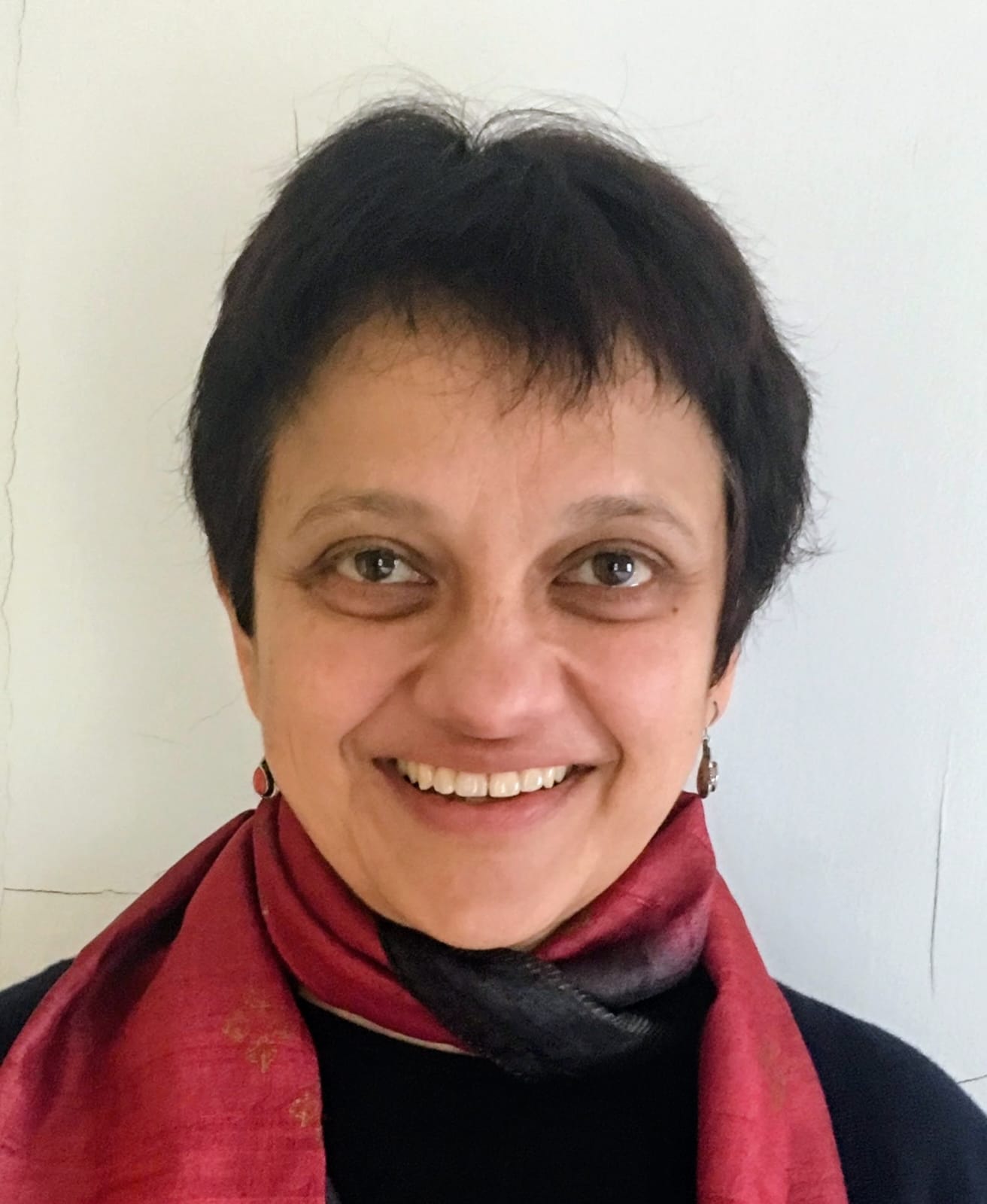
Kavitha Srinivas is a researcher specializing in semantic data management and knowledge graphs. Her work spans areas in cognitive science (studying human memory) to applications of AI to data management. She has worked in academia as a professor of Cognitive Psychology, as a CTO of a data integration startup and as a researcher in the field of artificial intelligence at IBM Research.
Title: The Long Road to Mid-Career: Growth, Challenges, and Changing Perspectives in Academia
Speaker: Angela Bonifati (Lyon 1 University (France), and CNRS Liris research lab)
Abstract
What does it really feel like to move from early-career to mid-career responsibility? This talk reflects on the academic journey as it unfolds over time—rarely linear, often unexpected. Mid-career brings more independence in shaping research, collaborations, and mentoring. But it also comes with new challenges: balancing roles, sustaining impact, and navigating visibility. Along the way, broader community dynamics such as publication practices and representation quietly shape opportunities. By combining personal experience with observations from analysis on publication data, this talk offers a grounded view of academic growth. Ultimately, it is a story about evolving identity, resilience, and finding one’s place in a changing research landscape.
Bio
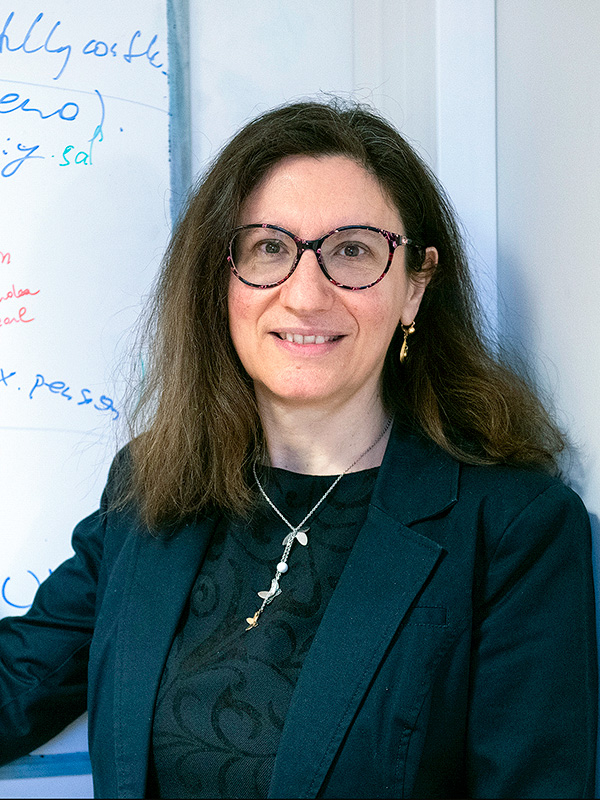
Angela Bonifati is a Distinguished Professor of Computer Science at Lyon 1 University and at the CNRS LIRIS research laboratory, where she leads the Database Group. She is also an Adjunct Professor at the University of Waterloo, Canada since 2020, and a Senior Member of the French University Institute (IUF) since 2023. Her current research interests span several aspects of data management, including graph databases, knowledge graphs, and data integration, as well as their applications to data science and artificial intelligence. She has co-authored numerous publications in top venues in the data management field, including five Best Paper Awards, two books, and an invited paper in ACM SIGMOD Record (2018). She is an ACM Fellow and the recipient of a European Research Council Advanced Grant (2024). Her work has been recognized with the VLDB Women in DB Research Award (2025), the IEEE TCDE Impact Award (2023), and an ACM SIGMOD Research Highlights Award (2023). She is the General Chair of VLDB 2026 and has previously served as Program Chair of IEEE ICDE 2025, ACM SIGMOD 2022, and EDBT 2020. She is currently an Associate Editor for the Proceedings of the VLDB (Volume 19), IEEE TKDE, and ACM TODS. She is also the President of ACM SIGMOD (2025–2029), a member of the IEEE Technical Committee on Data Engineering (2024–2029), and a member of the PVLDB Board of Trustees (2024–2029).
Panel Session: Wednesday, May 6 | from 15:30-17:00
Panel Title: Now What? Building Your Research Career After the PhD
Transitioning from the PhD to the next stage of one’s career can be both exciting and uncertain. This panel brings together experienced researchers from academia and industry to share practical advice for early-career researchers on establishing a research identity, choosing and evolving research directions, building collaborations, and navigating different career paths. Through panel discussion and audience Q&A, attendees will gain perspectives on how to turn the momentum of graduate training into a fulfilling long-term career. We are very excited to have the following distinguished panelists:
Prof. Anastasia Ailamaki
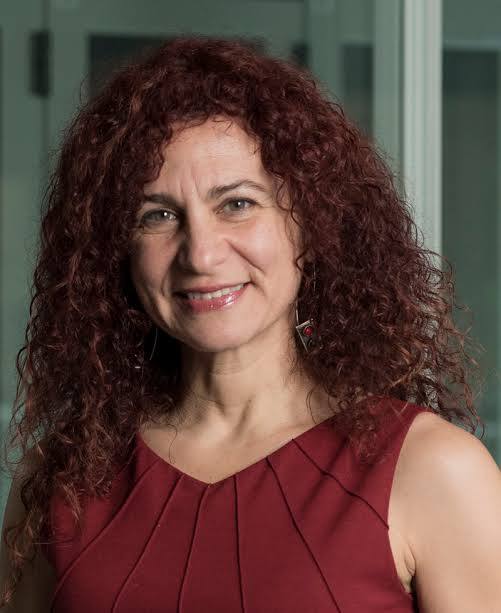
Bio. Anastasia Ailamaki is a Professor of Computer and Communication Sciences at the École Polytechnique Fédérale de Lausanne (EPFL), a visiting researcher at Salesforce, and the co-founder and Chair of the Board of Directors of RAW Labs SA, a Swiss company developing systems to analyze heterogeneous big data from multiple sources efficiently. She earned a Ph.D. in Computer Science from the University of Wisconsin-Madison in 2000. She has received the 2019 ACM SIGMOD Edgar F. Codd Innovations Award and the 2020 VLDB Women in Database Research Award. She is also the recipient of an ERC Consolidator Award (2013), the Finmeccanica endowed chair from the Computer Science Department at Carnegie Mellon (2007), a European Young Investigator Award from the European Science Foundation (2007), an Alfred P. Sloan Research Fellowship (2005), an NSF CAREER award (2002), twelve best-paper awards and three Test-of-Time prizes at international scientific conferences. She has received the 2018 Nemitsas Prize in Computer Science from the President of Cyprus and the 2021 ARGO Innovation Award from the President of the Hellenic Republic. She is an ACM fellow, an IEEE fellow, a member of the Academia Europaea and the US National Academy of Engineering, and has served as an elected member of the Swiss, the Belgian, the Greek, and the Cypriot National Research Councils.
Dr. Oktie Hassanzadeh
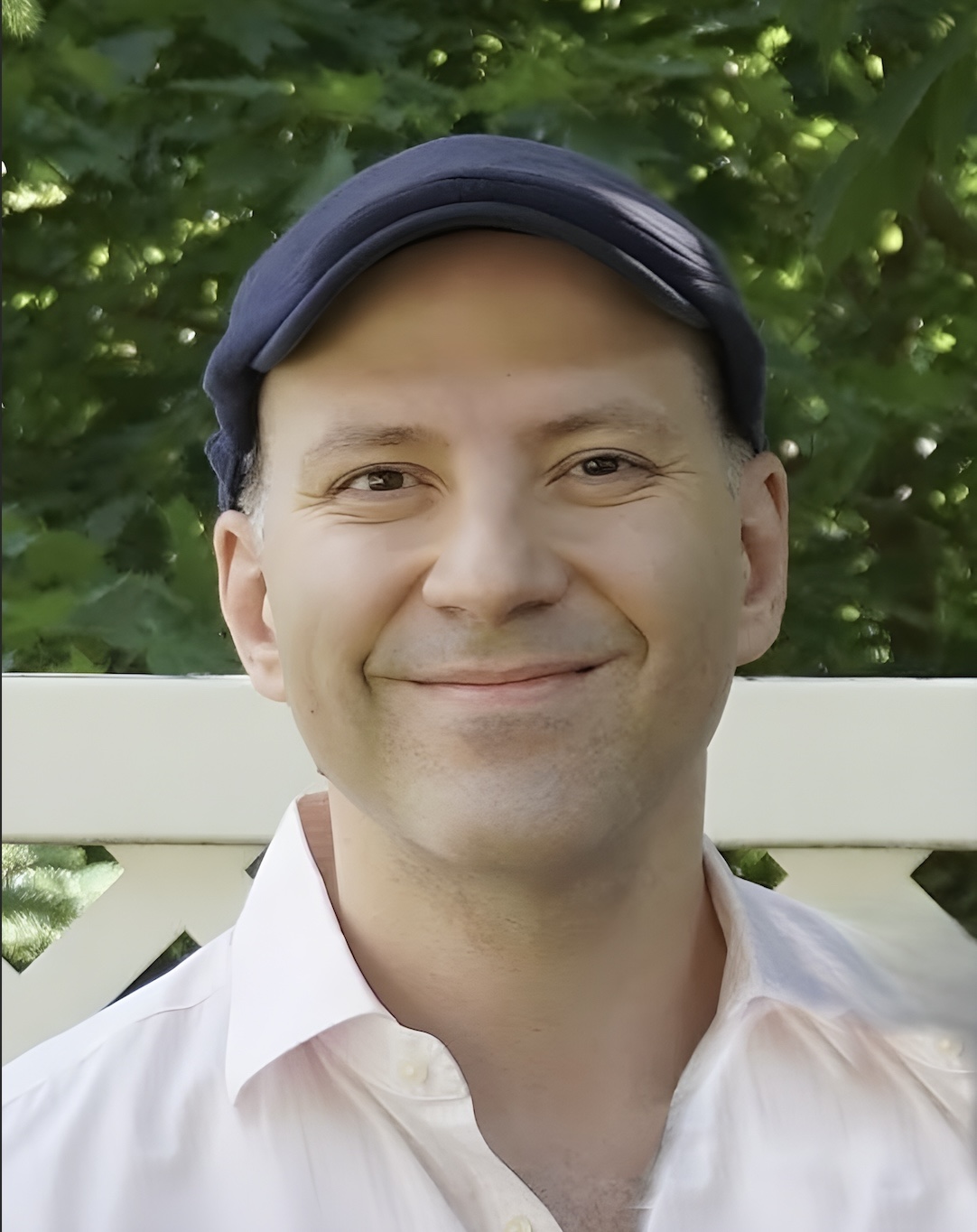
Bio. Oktie Hassanzadeh is a Senior Research Scientist at IBM’s Software Innovation Lab, working at the intersection of data management, knowledge graphs, and AI, with a focus on large-scale data integration and enabling large language models (LLMs) to understand and reason over structured data. He has authored over 150 publications and holds numerous patents, with contributions spanning data lakes, semantic data discovery, and knowledge-driven AI systems. He is the recipient of several academic and corporate awards, including best paper awards at ISWC and ESWC, a top prize at the Semantic Web Challenge (ISWC), a top prize at the FinCausal 2022 Shared Task, and two first prizes at the Triplification Challenge (SEMANTiCS). He earned his Ph.D. in Computer Science from the University of Toronto, where he received the IBM PhD Fellowship and the Yahoo! Key Scientific Challenges Award. He co-organizes the TaDA workshop at VLDB and the SemTab challenge at ISWC, and regularly serves on program committees and review boards of leading conferences, including VLDB, IJCAI, AAAI, and ISWC.
Prof. M. Tamer Özsu
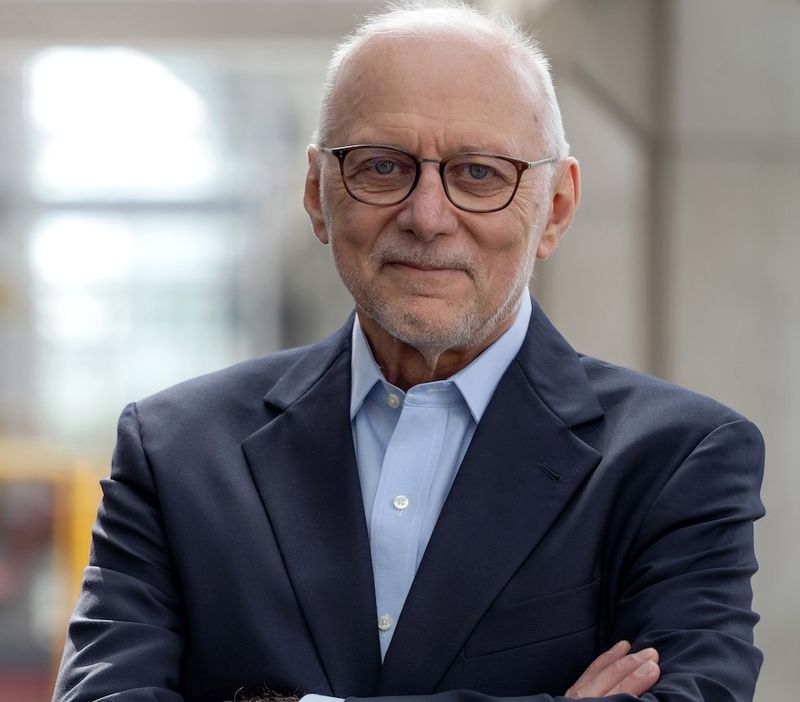
Bio. M. Tamer Özsu is a University Professor at the Cheriton School of Computer Science at the University of Waterloo. Previously, he was the Director of the Cheriton School and Associate Dean (Research) of the Faculty of Mathematics. His research is on data engineering aspects of data science, focusing on distributed data management and the management of non-conventional data. He is a Fellow of the Royal Society of Canada, American Association for the Advancement of Science, Asia-Pacific Artificial Intelligence Association, Balsillie School of International Affairs, and an elected member of the Science Academy, Türkiye. He is also a Life Fellow of the Association for Computing Machinery and the Institute of Electrical and Electronics Engineers. Dr. Özsu is the recipient of the University of Waterloo Award of Excellence in Graduate Supervision (2025), ACM Presidential Award (2024), IEEE TCDE Education Award (2024), IEEE Innovation in Societal Infrastructure Award (2022), CS-Can/Info-Can Lifetime Achievement Award (2018), ACM SIGMOD Test-of-Time Award (2015), the ACM SIGMOD Contributions Award (2006), and the Ohio State University College of Engineering Distinguished Alumnus Award (2008). He is the Founding Editor-in-Chief of ACM Books (2014-2020) and the Founding Series Editor of Synthesis Lectures on Data Management (2009-2014). He serves on the editorial boards of three journals and one book series.
Dr. Kavitha Srinivas
Bio.Kavitha Srinivas is a researcher specializing in semantic data management and knowledge graphs. Her work spans areas in cognitive science (studying human memory) to applications of AI to data management. She has worked in academia as a professor of Cognitive Psychology, as a CTO of a data integration startup and as a researcher in the field of artificial intelligence at IBM Research.
Prof. Tianzheng Wang
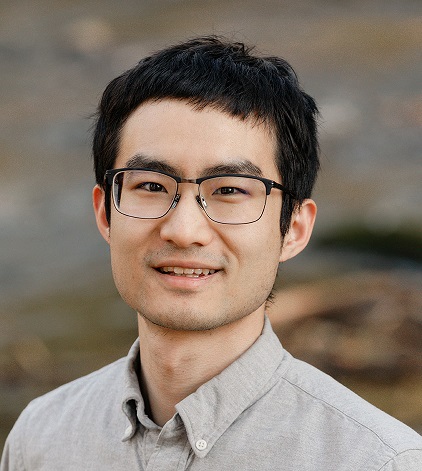
Bio.Tianzheng Wang is an associate professor in the School of Computing Science at Simon Fraser University in Metro Vancouver, Canada. His research centres around the making of database systems in the context of modern hardware, new programming primitives, and new applications. His work also often extends to related areas such as operating systems, parallel programming and distributed systems. Tianzheng Wang received his Ph.D. (2017) and M.Sc. (2014) degrees in Computer Science from the University of Toronto, and B.Sc. (2012) in Computing degree (First Class Honours) from Hong Kong Polytechnic University. His work has been assimilated by cloud vendors and startups, and recognized by awards such as ACM SIGMOD Best Paper Award (2025), ACM SIGMOD Research Highlight Awards (2021 and 2023), and 2019 IEEE TCSC Award for Excellence in Scalable Computing (Early Career Researchers).